
Transfusion science · Part 1 of 2
Group, Screen, Issue – Part 1: Theory
Part 1: Theory · The science of blood groups
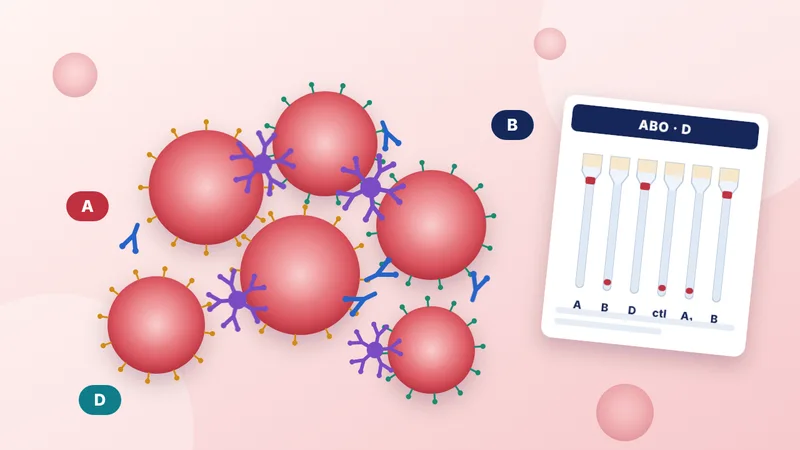
The science behind every safe transfusion: how blood group antigens and antibodies work, how they are inherited and named, how the laboratory tests for them, and the ABO, Rh and other blood group systems that matter in practice. For trainee and newly registered biomedical scientists and anyone new to transfusion.
- 8 modules
- 31 interactive lessons
- Workbook (PDF)
- Certificate
What you will be able to do
- Describe the vein-to-vein transfusion chain and the role of each UK organisation that keeps it safe
- Explain what blood group antigens are, how antibodies to them are made, and how IgM and IgG antibodies differ
- Explain agglutination, complement and red cell destruction, and why some antibodies are clinically significant
- Use inheritance, blood group terminology and antigen frequencies to predict phenotypes and find compatible blood
- Describe the reagents, controls and techniques of the transfusion laboratory, and grade and record reactions correctly
- Interpret ABO and D grouping results, recognise discrepancies and choose the safe next step
- Explain weak and partial D, the Rh antigens and antibodies, and UK D typing policy
- Describe the Kell, Duffy, Kidd, MNS and other systems and which of their antibodies cause harm
What’s in the course
8 modules and 31 lessons, with an assessment at the end of each module and a final assessment. Your certificate records the learning time you actually spend, for your CPD record.
Module 1: The transfusion chain and why it goes wrong4 lessons
A unit of blood passes through many hands between the donor's arm and the patient's vein. This module follows that chain, introduces the UK organisations that keep it safe, and looks at what the national haemovigilance scheme, SHOT, tells us about how transfusion goes wrong and how the laboratory can stop it.Module 2: Immunology for transfusion4 lessons
Blood groups matter because the immune system can make antibodies against red cells that are not its own. This module covers what a blood group antigen is, how antibodies to red cells are made, the differences between IgM and IgG that shape every test in the laboratory, and where typing reagents come from.Module 3: Antigen meets antibody4 lessons
Every blood group test depends on seeing what happens when an antibody meets its antigen. This module explains agglutination in two stages and the conditions that change it, the other reactions the laboratory looks for, how complement destroys red cells, and why some antibodies matter clinically while others rarely do.Module 4: Genetics and blood group language3 lessons
Blood groups are inherited, and the way they are inherited explains dosage, rare blood, family testing and how hard it can be to find compatible units. This module covers the genetics you need, the way blood groups are written, and how to work out how many donors will be compatible. It ends with the Unit A checkpoint.Module 5: Reagents, controls and techniques4 lessons
Every result in the transfusion laboratory depends on the right reagent, the right technique and a control that proves the test worked. This module covers the test platforms used in UK laboratories, the antiglobulin tests and special techniques, the controls and equipment checks that keep them reliable, and how to read and record a reaction so the next person reads it the same way.Module 6: The ABO system4 lessons
ABO is the most important blood group system in transfusion, because almost everyone has strong ABO antibodies without ever being transfused. An ABO-incompatible red cell transfusion can kill. This module covers how the ABO antigens are made, how to group a patient by forward and reverse grouping, how to recognise and resolve a discrepancy, and which groups of each component are safe to give.Module 7: The Rh system4 lessons
After ABO, the Rh system matters most. D is very immunogenic, and anti-D and anti-c are the main causes of severe haemolytic disease of the fetus and newborn. This module covers the Rh antigens and genes, how to write Rh phenotypes and probable genotypes, weak and partial D, and the UK policy for D typing and choosing red cells.Module 8: Kell, Duffy, Kidd and other systems4 lessons
Beyond ABO and Rh, a handful of blood group systems cause most of the remaining harm: Kell, Duffy, Kidd and MNS. Others, such as Lewis and P1, are often found but rarely matter. This module covers what you need to know about each, and how to decide whether an antibody is clinically significant. It ends with the Unit B checkpoint.
Educational use: a training course for laboratory staff and students. Always follow your laboratory’s procedures and current national guidance.
Reviews
No reviews yet. Only people who have completed the course can review it.
Completed this course? Sign in to review it.